Why The Midlands May Need Modernist Thinking Again
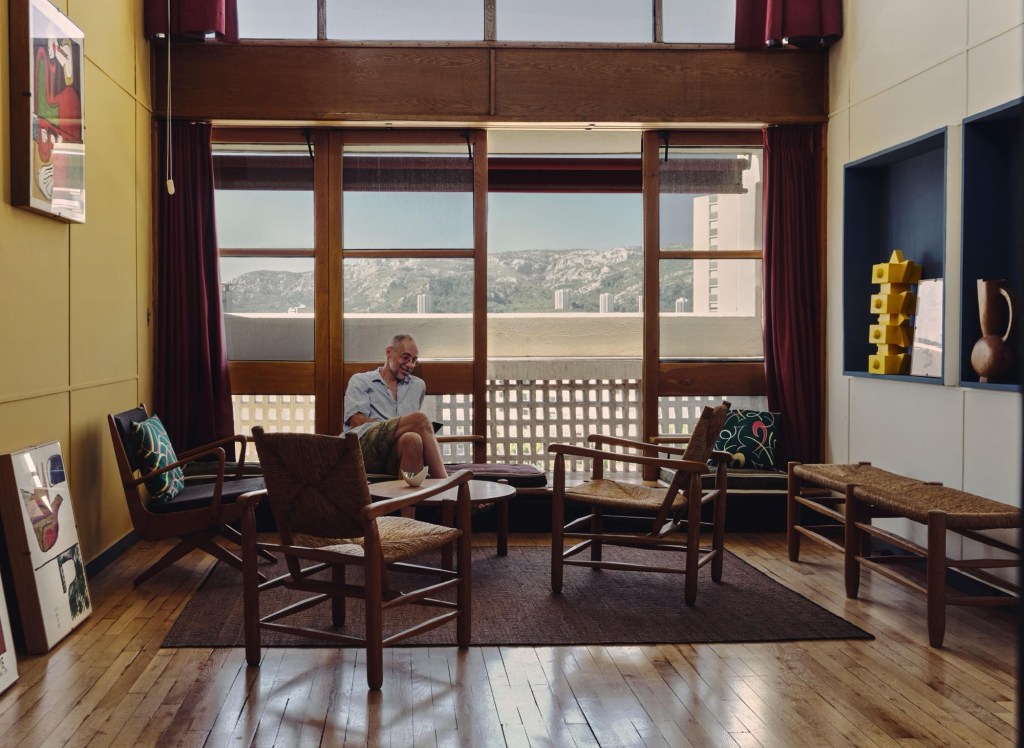
Modernism has largely been treated as something the profession needed to move on from. Concrete estates became symbols of failure. System-built housing became shorthand for poor living conditions. Large-scale planning became politically uncomfortable.
And in response, much of the UK housing market drifted toward safer territory: heritage/ pastiche styling, endless suburban sprawl, and commercially driven housing layouts that often prioritise sales efficiency over long-term quality.
But, the conditions that created modernism in the first place have returned. Housing shortages, Pressure on infrastructure, Material cost increases, Labour shortages, Environmental targets, Construction inefficiency. Ultimately, a growing disconnect between what we need to build and how we currently build it. This tension visible across the Midlands, maybe more so that anywhere else in the UK right now.
What’s interesting is that many of the conversations happening around housing delivery such as MMC, platform construction, fabric-first performance, standardised typologies, density and integrated infrastructure are fundamentally modernist conversations. Whether people realise it or care to accept it, the industry is already moving back toward system-led thinking.
Which is why architects like Le Corbusier suddenly feel relevant again. Not because of the aesthetics. Not because we should all start building white concrete megastructures, but because he understood something that still matters: housing is an organisational problem as much as an architectural one.
Corbusier often gets simplistically reduced to imagery of pilotis, ribbon windows, raw concrete and towers in parks. But the real significance of his work was the seriousness behind it. He believed architecture could operate as infrastructure and that housing should be planned systematically. That structure, movement, light, services, landscape and human life should all work together as part of a coherent whole.
Projects like Unité d’Habitation weren’t simply apartment buildings. They were attempts to rethink collective living at scale:
modular planning,
integrated communal space,
stacked services,
standardised construction,
environmental orientation,
and spatial efficiency.
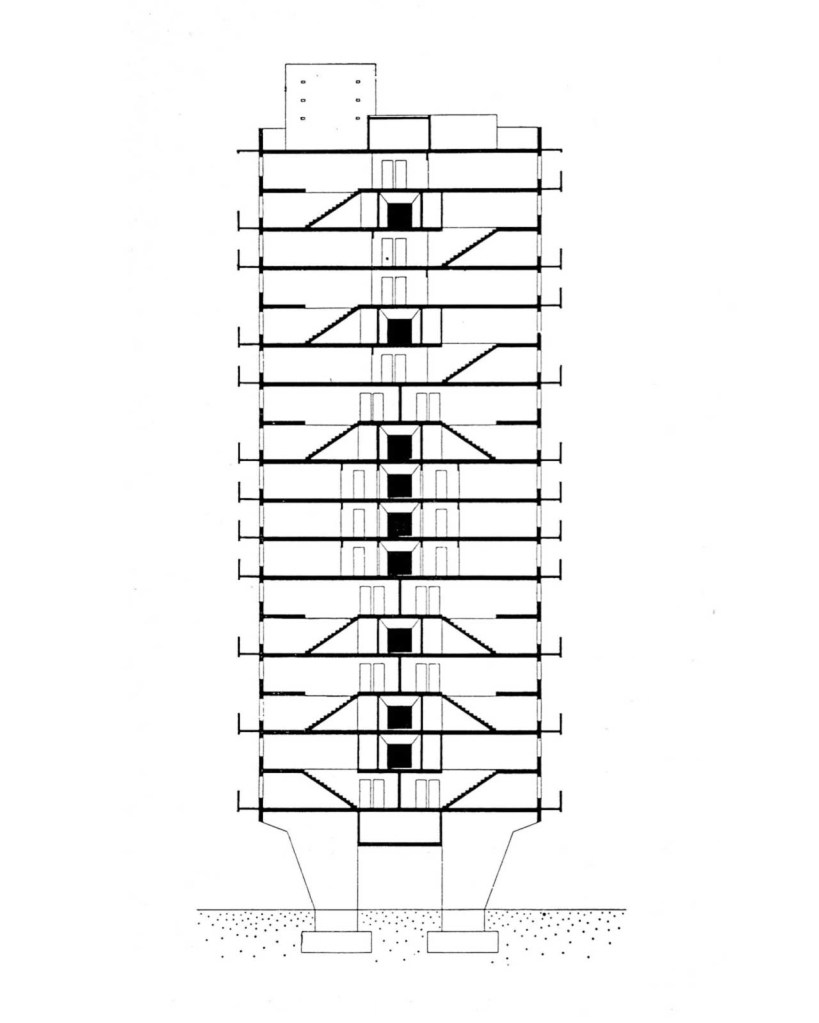
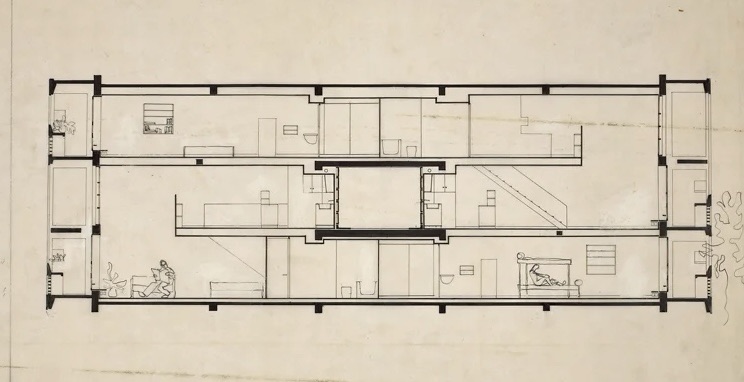
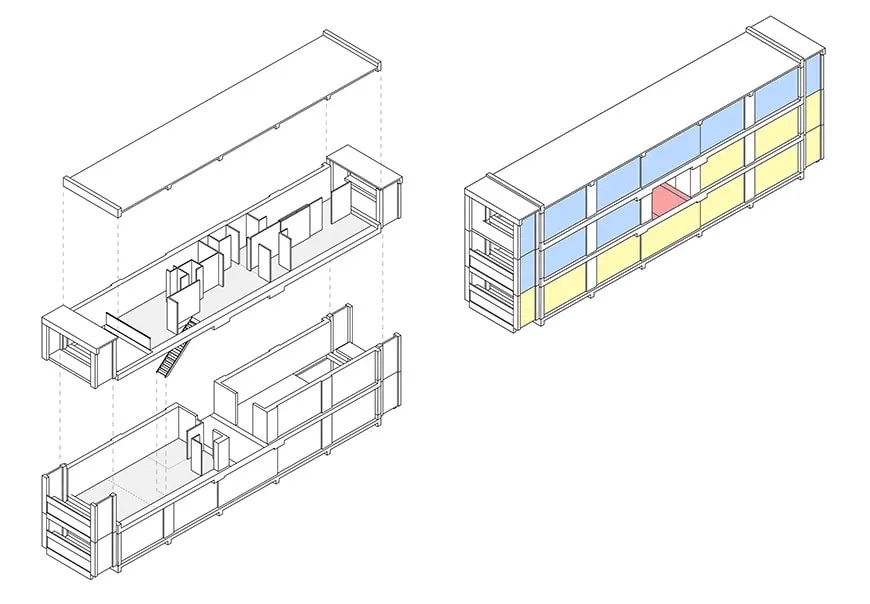
Some of those ideas failed when they were copied badly across Britain, particularly when stripped of maintenance funding, social infrastructure and long-term investment. But many of the failures associated with post-war modernism were not purely architectural failures. They were political, economic and operational failures too. That distinction really matters, because the reality is that many of the pressures Corbusier was responding to have returned. The housing crisis is forcing the industry to think at scale again.
Environmental performance is forcing greater coordination between architecture, structure and services.
Labour shortages are pushing construction toward repeatability and manufacturing logic. Viability pressures are reducing tolerance for inefficient planning. The industry is slowly rediscovering that housing delivery cannot rely entirely on bespoke solutions forever.
This is where the Midlands becomes particularly interesting. Historically, the region has always been tied to industry, manufacturing and infrastructure. There is a practicality to the Midlands that naturally aligns with system-led thinking. The challenge now is whether architecture can engage with that reality properly, rather than pretending housing can still be solved through superficial styling exercises alone. Because ultimately, the future of housing is unlikely to sit at either extreme. Not nostalgic pastiche or cold universal abstraction. The opportunity probably sits somewhere in the middle:
highly coordinated, technically rigorous housing systems that still retain warmth, identity, material honesty and regional character.
That is where modernism becomes interesting again. Not as a style to imitate, but as a framework to evolve. For me, that is the real lesson from Corbusier.
Not the forms. Not the concrete. The mindset.
The belief that housing deserves genuine intellectual ambition.
That architecture should engage seriously with delivery, infrastructure and long-term living conditions.
And that architects should help shape systems rather than simply decorate outcomes.
Because whether we like it or not, the future of housing will become increasingly system-led. The real question is whether architects are willing to lead that conversation or leave it entirely to procurement frameworks, manufacturers and spreadsheets. Corbusier didn’t solve housing. No architect ever will. But he understood that architecture operates at the level of society, not just buildings. And as the Midlands enters another period of housing pressure, infrastructure strain and environmental transition, that way of thinking feels increasingly difficult to ignore.
 0405 Architecture