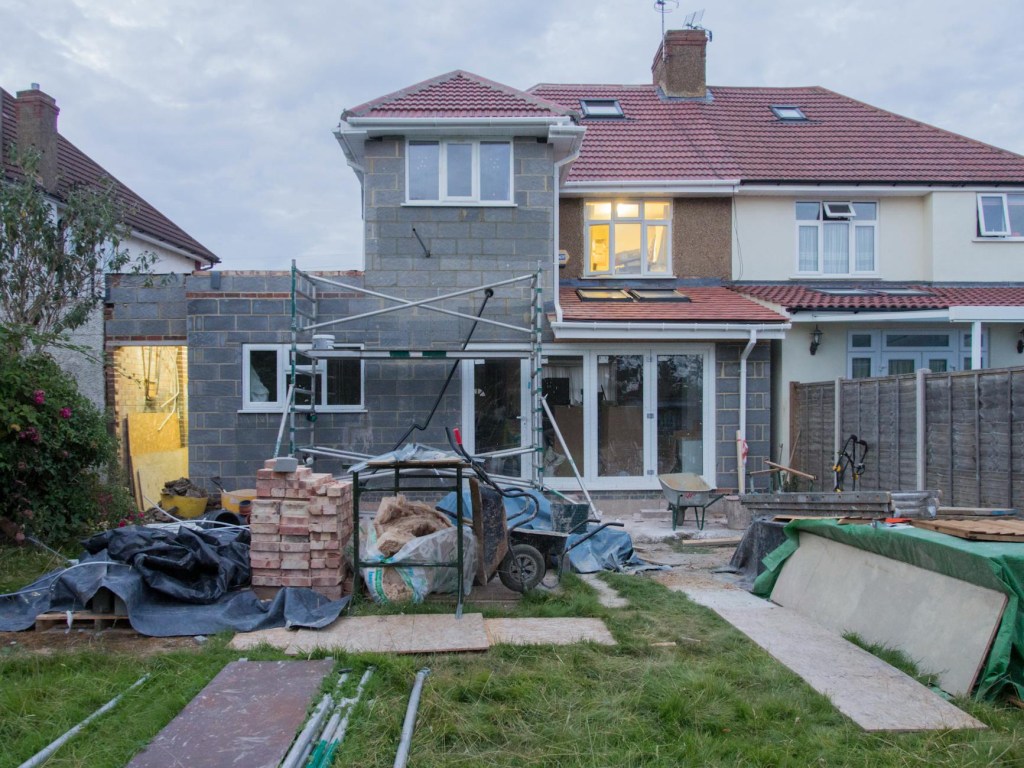
Across Worcestershire, many homeowners are investing significant sums into their properties. Extensions, remodels, garden buildings and energy upgrades are increasingly common. Yet despite substantial expenditure, not every project creates lasting value.
The difference is rarely the amount spent.
More often, it comes down to the quality of the thinking behind the project.
Looking Beyond Square Metres
One of the most common misconceptions in residential design is that bigger automatically means better.
Additional floor area can certainly increase value, but only when it improves the way a home functions. A poorly planned extension may add cost and complexity without creating spaces that genuinely enhance daily life.
The most successful projects begin by understanding how a property is used today and how it might need to evolve in the future.
A well-designed home should support family life, entertaining, working from home, accessibility in later years and changing household needs without feeling compromised.
Designing for the Long Term
Property trends come and go.
Open-plan layouts, home offices, cinema rooms and wellness spaces have all experienced periods of popularity. Some remain relevant. Others quickly become dated.
Homes that retain their value over decades tend to be those designed around proportion, natural light, flexibility and quality of construction rather than short-term fashion.
When considering alterations to a property, it is worth asking a simple question:
Will this decision still feel right in twenty years?
If the answer is uncertain, it may be worth reconsidering.
The Importance of Context
Worcestershire contains a remarkably diverse collection of properties, from historic townhouses and listed buildings to rural farmhouses and contemporary family homes.
The best projects respond to their setting.
Materials, scale, landscaping and architectural language should feel connected to the existing property and its surroundings. This does not necessarily mean copying what already exists, but it does mean understanding why a building works and how new interventions can strengthen that character.
Projects that appear disconnected from their context often age poorly.
Those that feel naturally integrated tend to be valued more highly by both owners and future purchasers.
Managing Planning Risk Early
Many expensive design changes occur because potential planning constraints are discovered too late.
Conservation areas, listed buildings, Green Belt locations, protected trees, highways considerations and neighbour impacts can all influence what is achievable.
An experienced architect will identify these risks early, allowing informed decisions to be made before significant time and money have been invested.
Good design is not simply about creating attractive drawings. It is about creating a realistic path from concept to completion.
Quality Is Found in the Details
Homeowners often focus on the visible elements of a project.
Kitchens, bathrooms and finishes naturally attract attention. However, some of the most important decisions are hidden within the fabric of the building.
Insulation, airtightness, structural design, junction detailing, drainage, ventilation and construction quality all influence how a home performs.
A property that feels comfortable, efficient and robust throughout the year will almost always provide greater long-term value than one that relies solely on appearance.
Creating a Home Rather Than a Project
The most successful residential projects are rarely driven by a desire to add value alone.
Instead, they are motivated by a desire to create a better place to live.
When design decisions are guided by quality, longevity and an understanding of how people use space, financial value often follows naturally.
The goal should not simply be to improve a property.
It should be to create a home that serves its owners exceptionally well for many years to come.
Thank you for reading.
Charlie Doman-Lees ARB RIBA
Managing Director | Chartered Architect
 0405 Architecture